Perfectly Creamy Mashed Potatoes Recipe
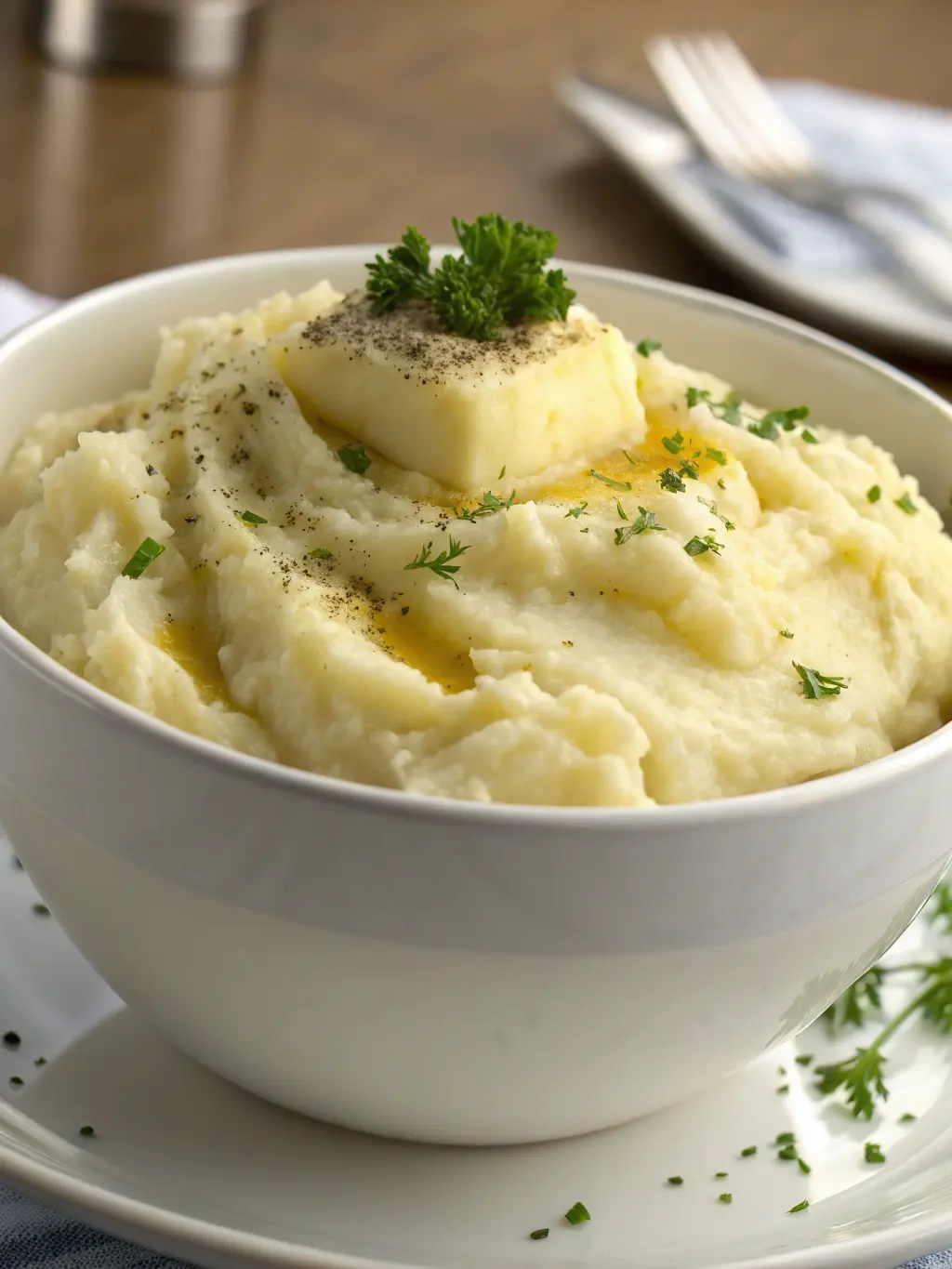
Smooth and creamy mashed potatoes made with butter and cream for a rich, comforting side dish perfect for any meal.
In this recipe
Introduction
Did you know that the average American consumes approximately 31 pounds of potatoes annually, with mashed potatoes consistently ranking as the #1 preferred preparation method? What makes this humble side dish so universally beloved, and why do so many home cooks struggle to achieve that restaurant-quality texture? The secret to Creamy Mashed Potatoes isn't complicated equipment or chef-level skills—it's understanding the science behind starch, fat, and technique. Whether accompanying a holiday feast or complementing a weeknight dinner, these buttery, smooth potatoes offer the perfect comfort food experience every time.
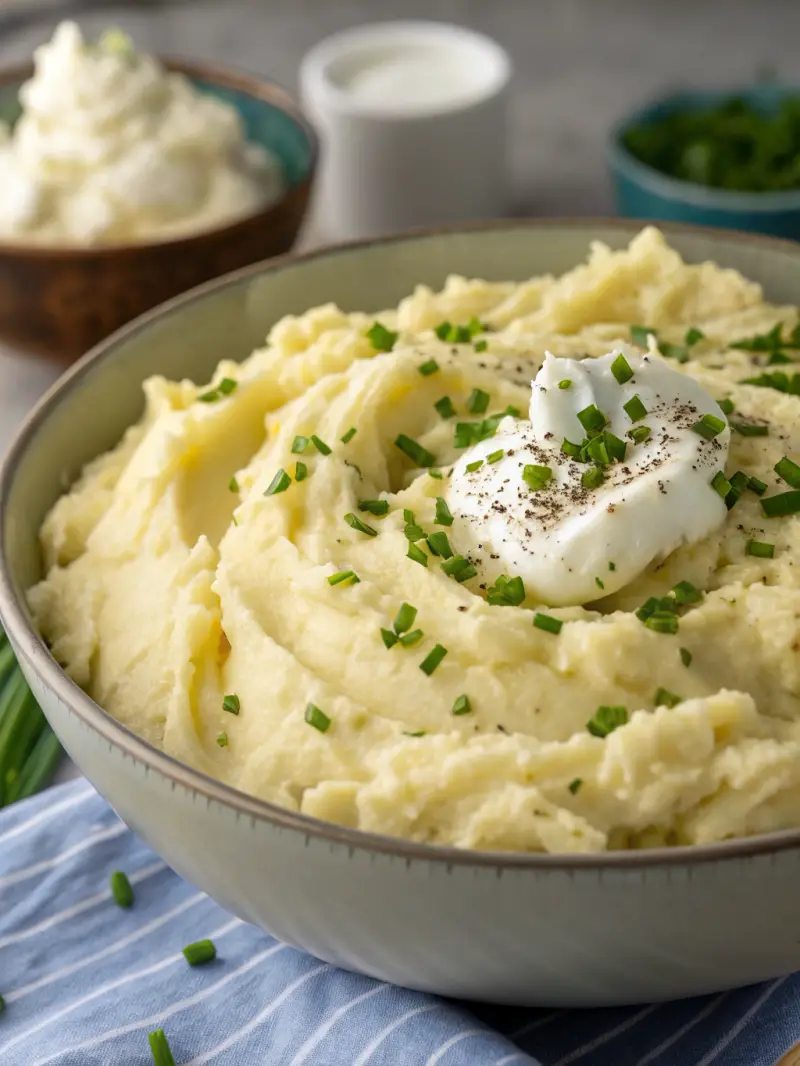
Timing
Preparation Time: 15 minutes (peeling and cutting potatoes) Cooking Time: 25 minutes (20 minutes for boiling, 5 minutes for mixing and finishing) Total Time: 40 minutes
The efficiency comes from strategically warming ingredients and optimizing the cooking process for the perfect starch development.
Step 1: Prepare the Potatoes
Peel the potatoes and cut them into even 1-inch cubes. Uniform size is crucial for even cooking—inconsistently sized pieces will leave you with some overcooked and some undercooked sections, compromising your final texture.
Pro Tip: After cutting, place potatoes in cold water to prevent oxidation if you're not cooking immediately. This can be done up to 4 hours in advance to save time during meal preparation.
Step 2: Cook the Potatoes Properly
Place potato cubes in a large pot and cover with cold water by at least 1 inch. Add 1 tablespoon of salt to the water. Starting with cold (not boiling) water ensures even cooking from the inside out.
Bring to a boil over high heat, then reduce to a simmer and cook until the potatoes are fork-tender, about 15-20 minutes. A potato piece should easily break apart when pierced with a fork, with no resistance in the center.
Step 3: Drain and Dry the Potatoes
Here's where many cooks go wrong: thoroughly drain the potatoes in a colander, then return them to the hot pot. Place over low heat for 1-2 minutes, gently shaking the pot to evaporate excess moisture.
This crucial drying step allows the potatoes to absorb more cream and butter, resulting in a richer flavor profile and prevents the watery consistency that plagues many homemade mashed potatoes.
Step 4: Add the Fats First
While the potatoes are still hot, add the room-temperature butter first and mash gently. The fat coats the starch molecules before they can form long, gluey chains—the scientific secret to preventing gummy potatoes.
After incorporating the butter, gradually add the warmed cream. Using warm (not cold) cream maintains the optimal temperature for the creamiest texture.
Step 5: Master the Mashing Technique
For the smoothest Creamy Mashed Potatoes, use a potato ricer or food mill for the initial mash. If you prefer some texture, a potato masher works well too.
Avoid food processors or blenders at all costs—they rupture too many starch cells and create a gluey mess rather than fluffy potatoes. Use a gentle folding motion when incorporating additional ingredients to prevent over-mixing.
Step 6: Season and Finish
Fold in the sour cream, salt, and white pepper. If using roasted garlic, add it now. Taste and adjust seasonings as needed—potatoes absorb salt readily, so proper seasoning is essential.
For an extra luxurious finish, use a rubber spatula to fold everything together until just combined. Over-mixing at this stage can make the potatoes stiff and paste-like.
Healthier Alternatives for the Recipe
- Lower Calorie Version: Replace half the potatoes with cauliflower (steam cauliflower separately, then combine with potatoes before mashing).
- Diabetic-Friendly Alternative: Mix in one part mashed turnips or parsnips to lower the glycemic index while adding nutritional variety and a subtle flavor complexity.
Serving Suggestions
Elevate your Creamy Mashed Potatoes from side dish to spotlight with these serving ideas
- Create individual "volcanoes" with a well of melted butter or gravy in the center for an impressive presentation
- Serve in martini glasses for dinner parties, layered with caramelized onions and crispy bacon bits
- Form potato "nests" using a piping bag with a large star tip, then broil briefly for elegant browned edges
- For family-style meals, serve in a warm, shallow dish with melted butter swirled on top and a sprinkle of fresh herbs
Perfect pairings include
- Classic roast chicken or turkey
- Braised beef short ribs or brisket
- Grilled salmon with lemon-dill sauce
- Vegetarian mushroom Wellington
Common Mistakes to Avoid
Even experienced cooks can stumble when making mashed potatoes. Avoid these pitfalls
- Using cold dairy: Adding refrigerator-cold butter or cream shocks the hot potatoes, creating lumps and preventing proper incorporation. Always use room temperature butter and warmed cream.
- Over-boiling the potatoes: According to culinary research, potatoes boiled until falling apart absorb too much water, resulting in diluted flavor. Cook just until tender for optimal taste and texture.
- Under-seasoning: Potatoes require more salt than you might expect—blind taste tests show properly salted mashed potatoes need about 1 teaspoon of salt per pound of potatoes.
- Take your time for best results.
Storing Tips for the Recipe
Make-ahead potatoes can be just as delicious with these storage strategies
- Refrigerator storage: Place in an airtight container for up to 3 days. To reheat, add a splash of cream and warm in the microwave or over low heat, stirring occasionally.
- Freezer option: While not ideal, mashed potatoes can be frozen for up to 1 month. Thaw overnight in the refrigerator, then reheat with additional butter and cream to restore the texture.
- Make-ahead tip: Prepare the recipe through step 5, then refrigerate. Before serving, slowly reheat on the stovetop with additional warm cream, stirring frequently.
Conclusion
Creating truly Creamy Mashed Potatoes is both an art and a science—one that balances technique with quality ingredients. By following these steps and understanding the principles behind them, you've unlocked the secret to potatoes that are velvety, rich, and perfectly seasoned every time. Whether served alongside a holiday roast or paired with a simple weeknight protein, this foundational recipe will elevate your meals and impress your guests. Ready to take your comfort food game to the next level? Try this Creamy Mashed Potatoes recipe today, and don't forget to share your results or questions in the comments below!
FAQs
A: Absolutely! Prepare them up to 24 hours in advance, refrigerate in an airtight container, and reheat slowly on the stovetop with an additional splash of warm cream, stirring frequently to restore the creamy texture.
Q: Why do my mashed potatoes sometimes turn out gluey? A: Gluey potatoes typically result from over-processing or using high-speed appliances like food processors. Stick to a potato ricer, food mill, or hand masher, and avoid over-mixing once the dairy is incorporated.
Q: Which potatoes make the creamiest mashed potatoes? A: Yukon Golds offer the best balance of starch and moisture for creamy results. Russets create fluffy potatoes but can be slightly drier, while waxy potatoes like red potatoes can become gummy when mashed extensively.
Q: Can I use an electric mixer for mashed potatoes? A: Yes, but with caution. Use the lowest speed and stop as soon as ingredients are incorporated. Over-beating with an electric mixer is the most common cause of gummy potatoes, as it ruptures too many starch cells.
Q: How can I keep mashed potatoes warm without drying them out? A: Place them in a heatproof bowl over a pot of barely simmering water (double-boiler method), cover with foil, and stir occasionally. Alternatively, use a slow cooker on the "warm" setting with a small amount of extra cream on top to prevent a skin from forming.
Perfectly Creamy Mashed Potatoes Recipe
Smooth and creamy mashed potatoes made with butter and cream for a rich, comforting side dish perfect for any meal.
- Dessert
Cook’s checkpoint
- Frying oil
- 350°F / 175°C
- Chicken, thickest part
- 165°F / 74°C
Use a food thermometer. Color and time alone don’t confirm poultry is done.
Ingredients
Instructions
Nutrition Information
Per serving, as published with the original recipe.
- Calories
- 285
- Fat
- 22g
- Saturated fat
- 14g
- Cholesterol
- 65mg
- Sodium
- 395mg
- Carbohydrates
- 20g
- Fiber
- 2g
- Sugar
- 2g
- Protein
- 3g