High Protein Baked Mac and Cheese Recipe
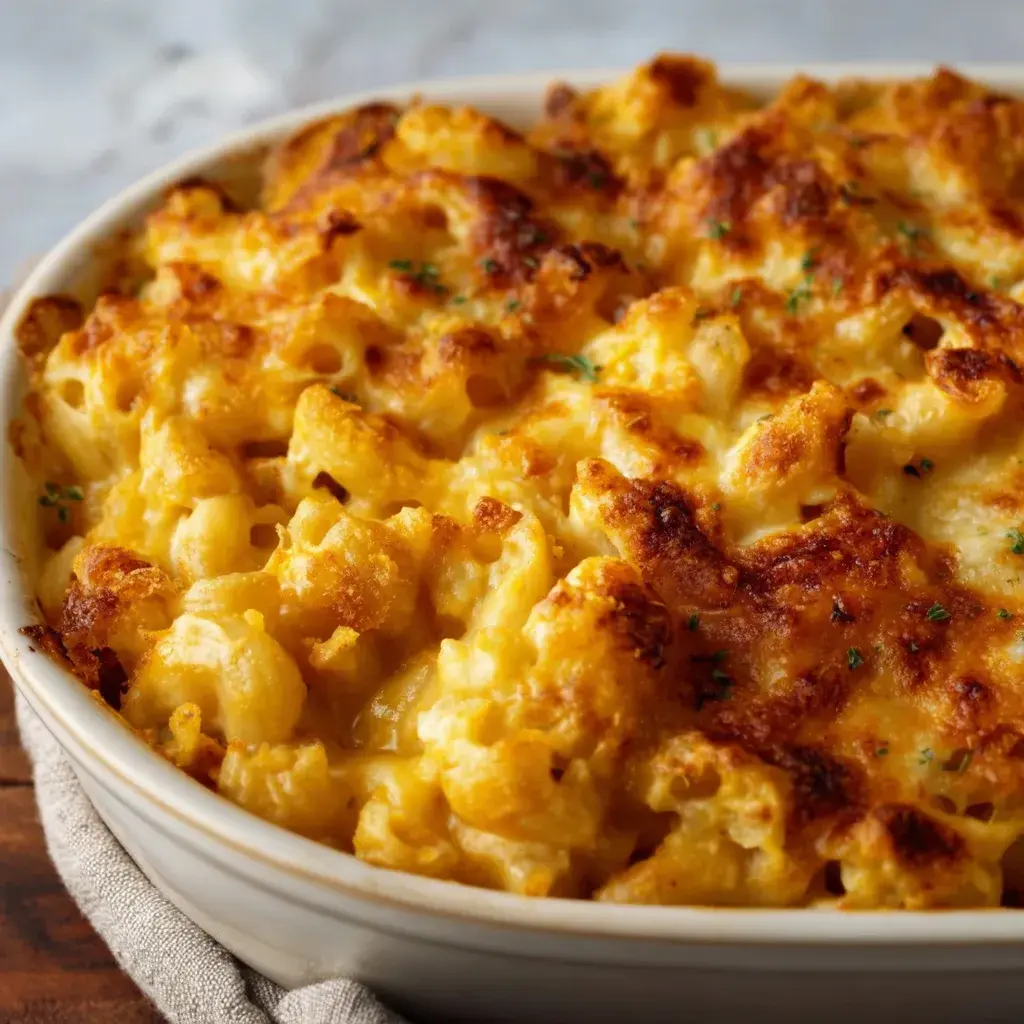
High Protein Baked Mac and Cheese is creamy, cheesy comfort food with a lighter option. Made with protein-packed pasta and a smooth cottage cheese sauce, this baked version delivers all the cozy flavor you crave while keeping things nourishing and satisfying.
Total: 45 minYield: 4 servingsMethod: Baked
In this recipe
High Protein Baked Mac and Cheese transforms the classic comfort food into a nutritious powerhouse that satisfies both body and soul. The golden, crispy top gives way to velvety cheese sauce coating each tender pasta curve, while lean protein sources add substance that keeps you satisfied long after the meal. This isn't your ordinary mac and cheese—it's an elevated version that nourishes while it comforts.
Perfect Balance of Comfort and Nutrition
This dish strikes that elusive sweet spot between indulgent comfort and nutritional value. The protein comes from multiple sources—cottage cheese blended until silky smooth, Greek yogurt adding tanginess, and lean ground turkey or chicken folded throughout. Each forkful delivers that nostalgic mac and cheese experience while protein content soars to 25-30 grams per serving. The best part? You'll feel satisfied without the heavy, sluggish feeling that traditional versions often leave behind.
Versatility for Every Dietary Need
What makes this recipe truly special is how easily it adapts to preferences and dietary requirements. Need gluten-free? Swap in your favorite GF pasta and ensure your flour blend is certified. Vegetarian? Skip the meat and add white beans or lentils for plant-based protein. The cheese blend can feature sharp cheddar for classic flavor, but mixing in gruyère or smoked gouda creates wonderful depth. The foundation remains sturdy while accommodating nearly any dietary need.
Essential Tips & Tricks
Perfecting the Protein-Rich Cheese Sauce
The secret to a silky-smooth sauce lies in the temperature control and gradual incorporation of ingredients. Start with a roux using whole wheat flour for added nutrition, then slowly whisk in warm milk—never cold, which can cause lumps. When adding protein elements like cottage cheese or Greek yogurt, remove the pot from heat first and blend thoroughly. For extra creaminess without additional fat, I reserve 1/2 cup of pasta water before draining. That starchy liquid creates magic when whisked into the sauce! The proteins need gentle handling to prevent curdling, so keep heat moderate and stir constantly.
Achieving the Perfect Baked Texture
The difference between good and extraordinary mac and cheese lies in the final bake. Undercook your pasta by 2 minutes—it continues cooking in the oven. For a crispy top that makes hearts sing, mix panko breadcrumbs with a touch of olive oil and grated parmesan before sprinkling over the top. For individual portions with maximum crispy edges, try baking in muffin tins for a fun presentation that children and adults equally adore.
Serving Ideas & Creative Variations
Complementary Side Dishes
This protein-rich dish stands beautifully as a meal centerpiece, but thoughtful sides elevate the experience. Bright, acidic vegetables create perfect balance—try roasted cherry tomatoes that burst with sweetness or a simple arugula salad with lemon vinaigrette. The slight bitterness and acidity cut through the richness wonderfully. For heartier appetites, my garlic-roasted broccoli adds nutritional value while soaking up any extra cheese sauce. When serving for guests, I place small bowls of toppings nearby—crispy bacon bits, sliced scallions, hot sauce, and extra cheese let everyone customize. The mac and cheese becomes an interactive experience rather than just another dinner option.
Seasonal Adaptations Worth Trying
Summer brings opportunities for fresh basil and cherry tomatoes folded in just before baking. Fall calls for roasted butternut squash puree mixed into the sauce for natural sweetness and vibrant color. Winter versions featuring caramelized onions and mushrooms create deep umami notes that complement the protein elements beautifully. Spring inspires me to add fresh peas and mint for brightness. The protein base remains constant while seasonal variations keep the dish exciting year-round.
Storage & Troubleshooting Guide
Proper Storage for Maximum Freshness
To maintain both texture and flavor, cool completely before refrigerating in airtight containers. This high-protein version stays fresh slightly longer than traditional recipes—up to 4 days refrigerated—thanks to the preservative qualities of protein. For freezing, portion into individual servings in freezer-safe containers, leaving slight headspace for expansion. Frozen portions maintain quality for up to 3 months. When reheating refrigerated portions, add a tablespoon of milk before microwaving to restore creaminess. For frozen portions, thaw overnight in the refrigerator first. The best reheating method is oven warming at 325°F with a splash of milk and covered with foil.
Fixing Common Recipe Issues
Even experienced cooks encounter challenges. If your sauce appears grainy or separated, the likely culprit is overheating protein elements or adding cheese while too hot. The fix? Lower heat immediately and whisk in a tablespoon of cornstarch mixed with cold water. For too-thick sauce, gradually add warm milk until reaching desired consistency. If too thin, simmer gently while stirring continuously. Underseasoned sauce? Add mustard powder, not just salt—it enhances cheese flavor without adding sodium. Overbaked and dry? Drizzle with warm milk or cream, cover with foil, and warm in a 300°F oven for 10 minutes. Remember that protein-enriched sauces behave differently than traditional ones.
Frequently Asked Questions
How much protein is in each serving of this mac and cheese?
Each serving contains approximately 25-30 grams of protein, depending on your protein additions. This makes it substantially more filling than traditional mac and cheese while supporting muscle maintenance and satiety.
What's the best pasta shape for this recipe?
Shapes with ridges or cavities like cavatappi, rotini, or medium shells work best as they trap more of the protein-rich sauce in every bite.
Is this recipe freezer-friendly?
Yes! Freeze in portion-sized containers for up to 3 months. Thaw overnight in the refrigerator before reheating for best texture results.
Final Thoughts
This High Protein Baked Mac and Cheese represents the perfect marriage between nostalgic comfort and modern nutritional needs. It proves that we don't need to choose between food that nourishes our bodies and dishes that feed our souls. The protein-rich adaptations transform a childhood favorite into a satisfying meal that supports active lifestyles while still delivering that warm hug of comfort we all crave. I invite you to make this recipe your own—experiment with proteins, cheeses, and seasonal additions that speak to your taste. Find more inspiration for protein-packed comfort foods on our Pinterest board.
High Protein Baked Mac and Cheese Recipe
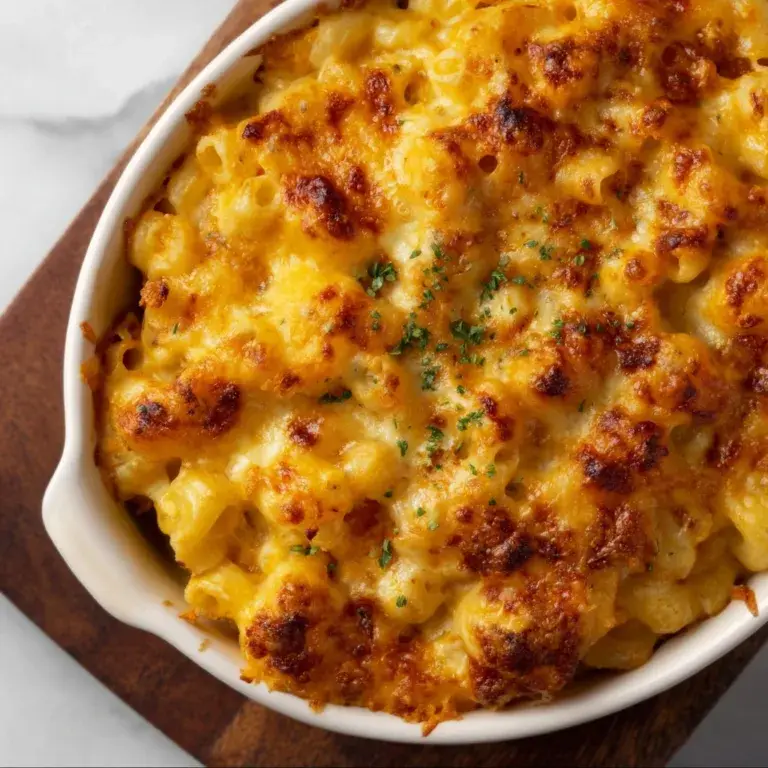
High Protein Baked Mac and Cheese is creamy, cheesy comfort food with a lighter option. Made with protein-packed pasta and a smooth cottage cheese sauce, this baked version delivers all the cozy flavor you crave while keeping things nourishing and satisfying.
- Vegetarian
- Chicken
- Main Dish
- Baked
Cook’s checkpoint
- Frying oil
- 350°F / 175°C
- Chicken, thickest part
- 165°F / 74°C
Use a food thermometer. Color and time alone don’t confirm poultry is done.
Ingredients
Optional topping
Instructions
Notes
- Blend cottage cheese well for the creamiest texture.
- Add cooked chicken or turkey for extra protein.
- Leftovers reheat well with a splash of milk.